

n recovery, the questions we ask ourselves can either propel us forward or keep us trapped in cycles of self-pity and resentment. Last week, during a company all-hands meeting, I encountered a TED Talk on self-awareness that profoundly challenged my thinking about my own recovery journey.
Dr. Tasha Eurich's presentation, "Increase Your Self-Awareness with One Simple Fix", initially made me uncomfortable. I struggled to assess my own self-awareness—how could I possibly know the difference between my perceptions and reality? As the talk progressed, I recognized disturbing patterns in my own thinking that revealed significant gaps between my perceived self-awareness and actual behavior.
The central insight was transformative: when facing challenges, we should replace "why" questions with "what" or "how" questions. Rather than asking "Why is this happening to me?"—which often leads to rumination and victimhood—we can ask "What can I do about this situation?" or "How might I approach this differently?"
This principle is fundamental to successful recovery. Fixating on "why me" creates fertile ground for resentments—those toxic thought patterns that so often trigger relapse. By contrast, "what" and "how" questions empower us to take meaningful action toward healing.
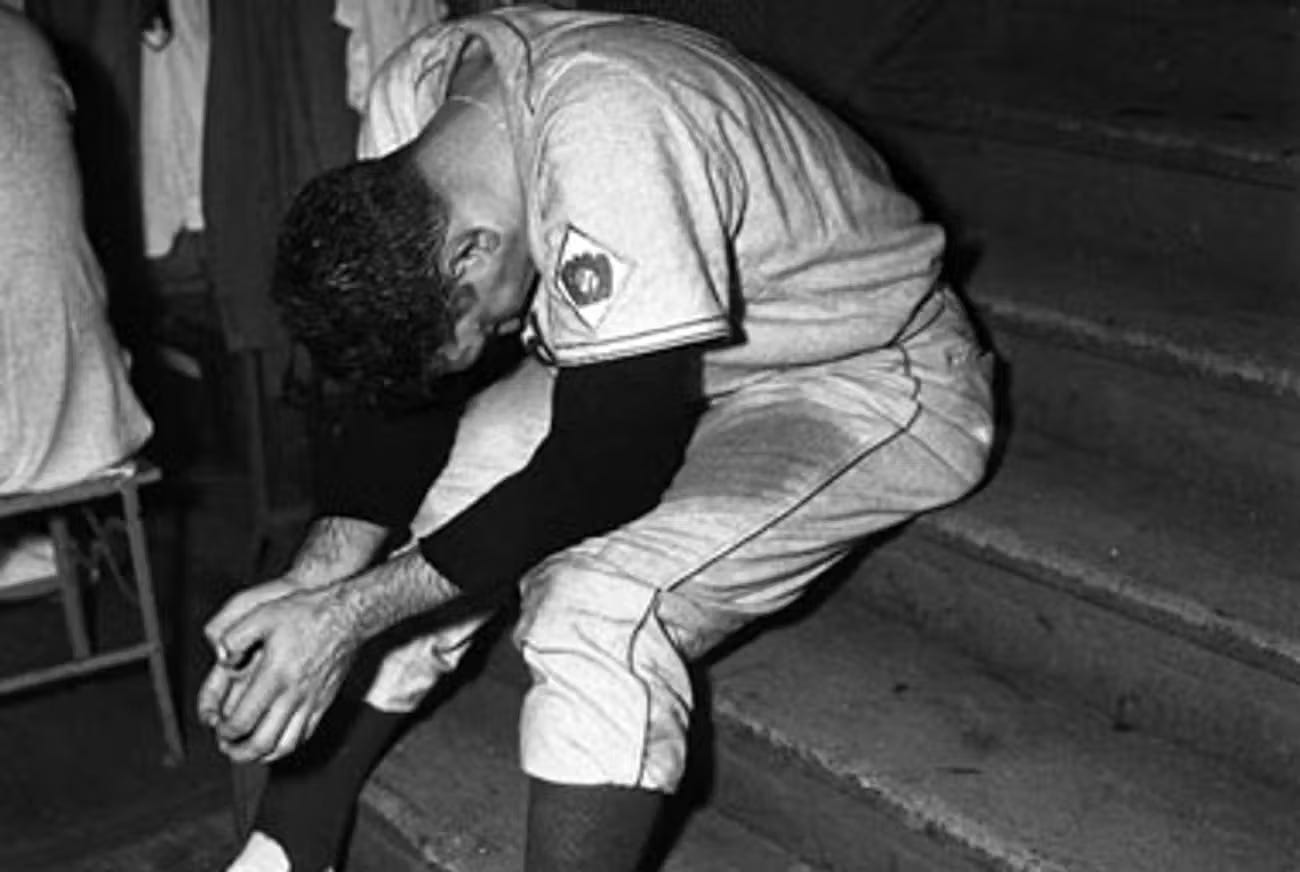
The talk reminded me of Ralph Branca's famous "why me?" moment. Branca was the Brooklyn Dodgers pitcher who surrendered the "Shot Heard 'Round the World"—Bobby Thomson's game-winning home run for the New York Giants in the decisive 1951 National League playoff game.
After the devastating loss, Branca asked a priest, "Why me?" The priest responded, "Ralph, God chose you because he knew you'd be strong enough to bear this cross."
While a comforting perspective, the reality was more straightforward: Branca threw one bad pitch at an unfortunate moment (and, as later revealed, the Giants were stealing signs, meaning Thomson likely knew what pitch was coming).
What's remarkable about Branca's story isn't the moment of failure but what came after. He and Thomson eventually became friends, appearing together at card shows. Thomson acknowledged the sign-stealing, and Branca, in what we might consider accepting an amends, let go of his resentment.
This evolution perfectly illustrates the recovery journey. We move from questioning why adversity has befallen us to accepting reality and taking constructive action. We ask better questions: What was my part in this situation? How can I move forward? Will this matter months or years from now?
This approach represents taking control through action rather than surrendering to victim mentality. It's about accountability and forward momentum—principles that have consistently served me well in recovery.
Steve and I explored this topic in depth on our latest podcast episode. Our conversation delved into practical strategies for shifting from "why me?" thinking to the more productive "what now?" mindset. I invite you to listen—I believe you'll find valuable insights that resonate with your own journey.
Remember, in recovery as in life, the quality of our questions often determines the quality of our experiences. By changing one simple word, we can transform our perspective and strengthen our sobriety one day at a time.