

It was my intent to do a podcast on my journey with PTSD and how I just recently discovered what I believe was the root cause. I just don’t want to tell it into a mic. Lately, this revelation has left me really inhibited. I’ve been working on this PTSD substack for the better part of a week. Pecking at the keyboard here and there. So instead of a newsletter with a tie into a podcast, you are getting the full substack only experience.
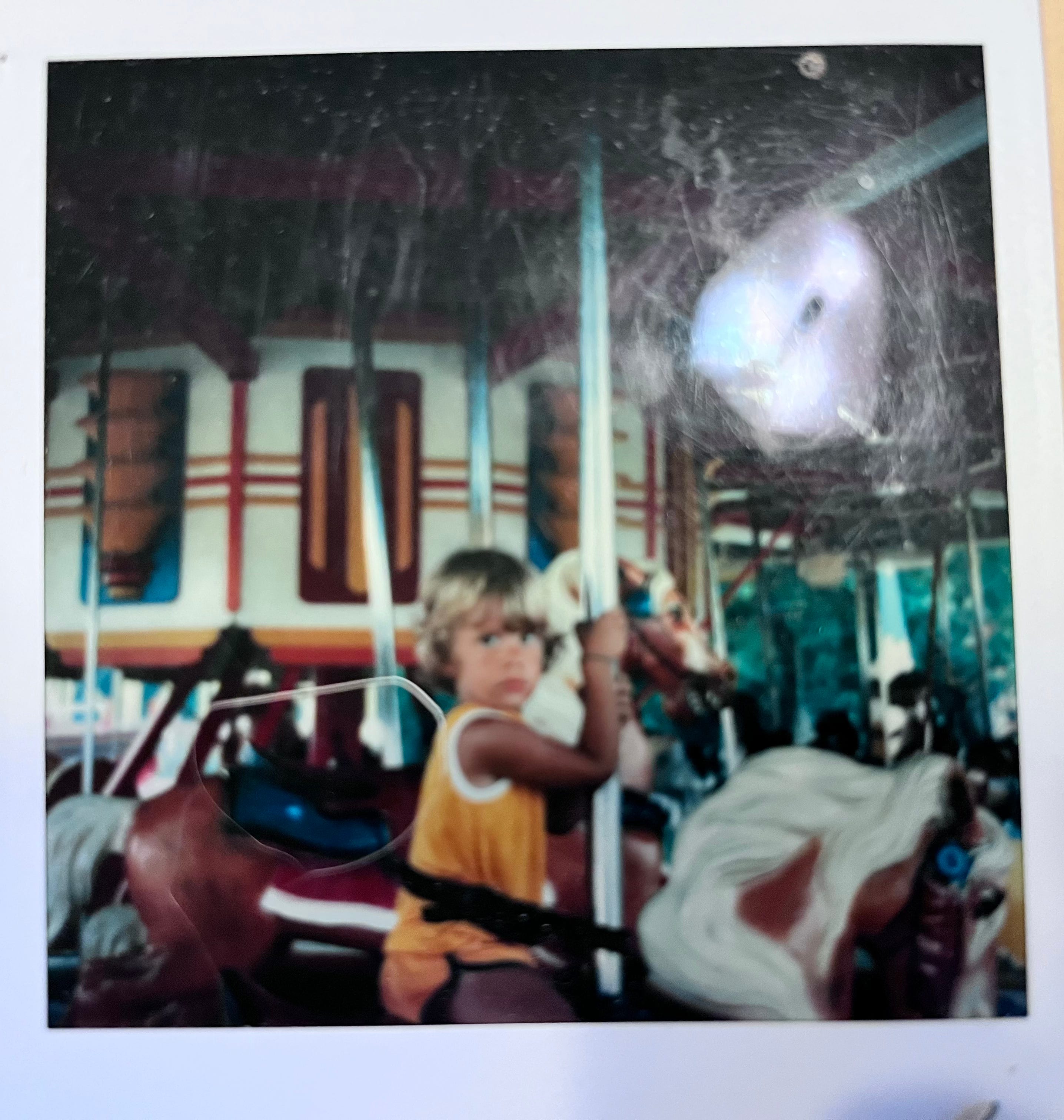
I’ve been in and out of therapy since the mid-1990s. At first, I thought I was dealing with depression, but I later learned that anxiety was the root cause, with depression layered on top. Despite years of working with therapists and doctors, it was only recently that I was diagnosed with PTSD. The symptoms had been there all along, but it took the right therapist to recognize them.
The diagnosis made sense. I’ve always been easily startled. You could tap me on the back, and I’d jump so high I might qualify for an Olympic medal. This has been my reality since childhood. I remember sitting at the kitchen table doing homework when a neighborhood kid snuck up to the sliding glass door and screamed. I jumped so high and screamed so loud that I became the subject of relentless teasing. That was just one of many times people exploited my extreme reactions for their amusement.
The challenge was, I couldn’t pinpoint a single traumatic event that would explain PTSD. I had difficult experiences with my family, but no one moment stood out. Instead, it was a pattern of cruelty, neglect, and fear. Family members “accidentally” burned me with cigarettes and laughed it off. My uncle greeted me by calling me “the hemorrhoid.” My grandfather would jokingly invite me to play in traffic. He also convinced me he could breathe underwater and suggested I try it too.
At my Aunt Judy and Uncle Ronnie’s house, a kerosene heater sat in the middle of their living room. One day, I wasn’t paying attention and placed my hands directly on top of it, scorching my palms. I wailed in pain, but my mother snapped, “Your grandmother broke her hip and doesn’t cry.” That shut me up fast. I was no older than six or seven.
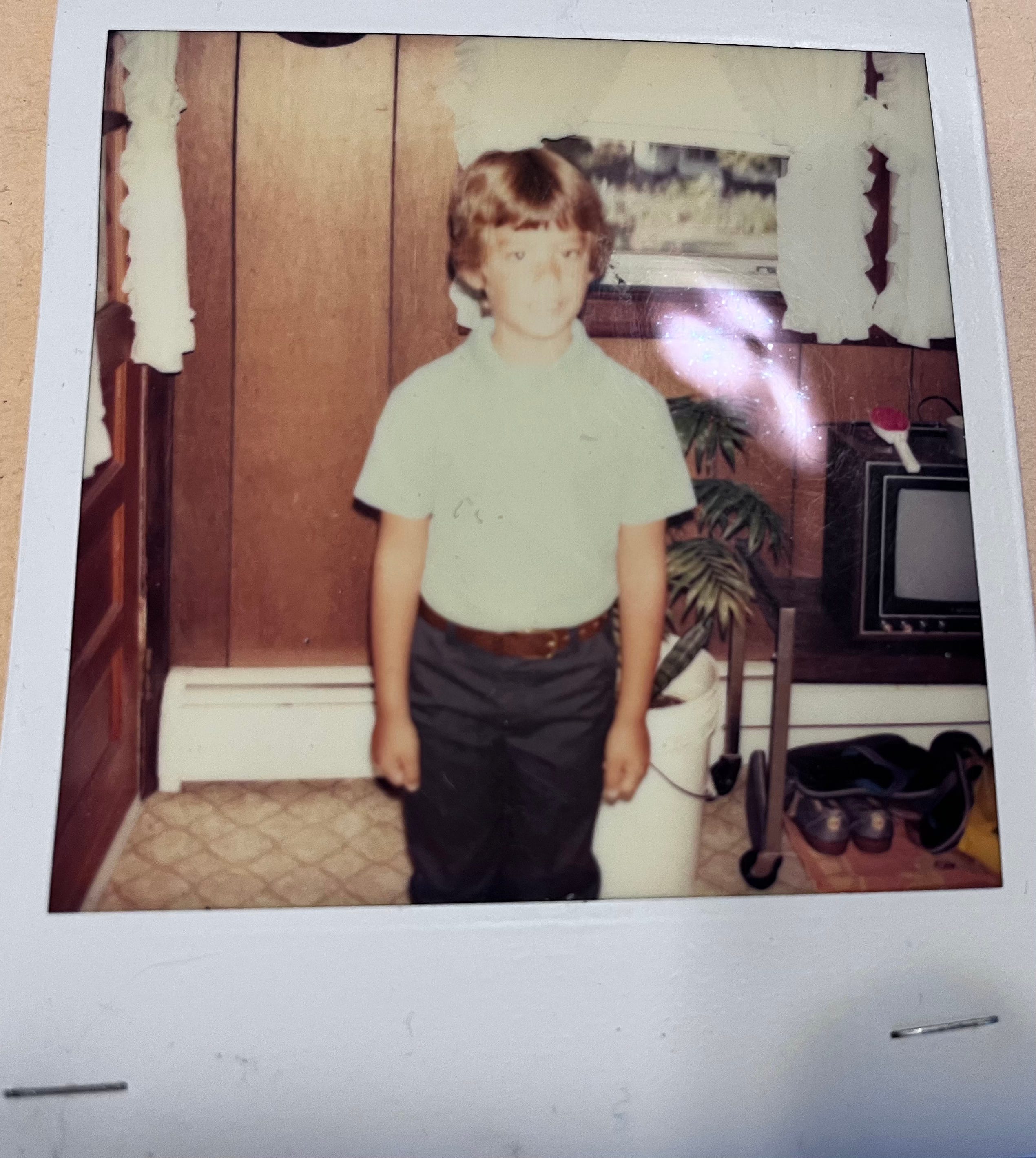
At home, my mother had a short fuse. Knocking over a glass of water was a punishable offense, sometimes with a spanking spoon. She took pride in the fact that her sister used a slotted spoon, which, she assured me, hurt even more. When I misbehaved, she would brandish a rectal thermometer and threaten to use it on me. The sheer terror of that threat was enough to get me in line.
Once, at a friend’s house, I accidentally spilled a glass of water. I braced for impact. But instead of yelling, his mother calmly said, “That’s okay. Just grab a paper towel.” In that moment, I realized my mother’s reactions weren’t normal.
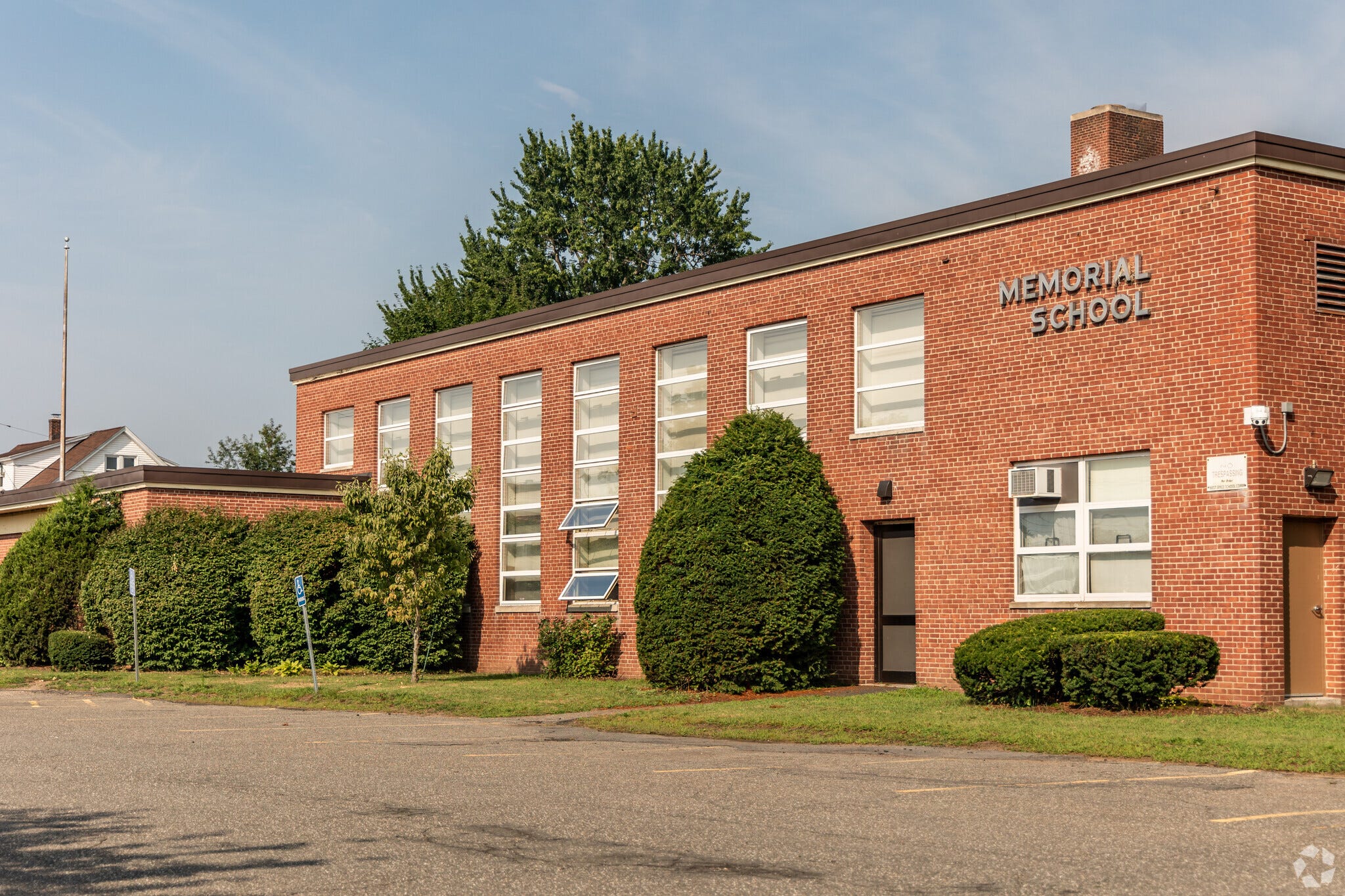
My fears extended beyond home. In the early 1980s, nuclear war was a constant worry. Tornadoes, too, haunted me, though I lived nowhere near Tornado Alley. But nothing terrified me more than fire drills. It wasn’t the fear of fire itself—I knew our cinderblock school was unlikely to burn down. It was the sudden, unpredictable alarm. I remained on high alert, watching for signs that a drill was coming. The anxiety lasted until middle school.
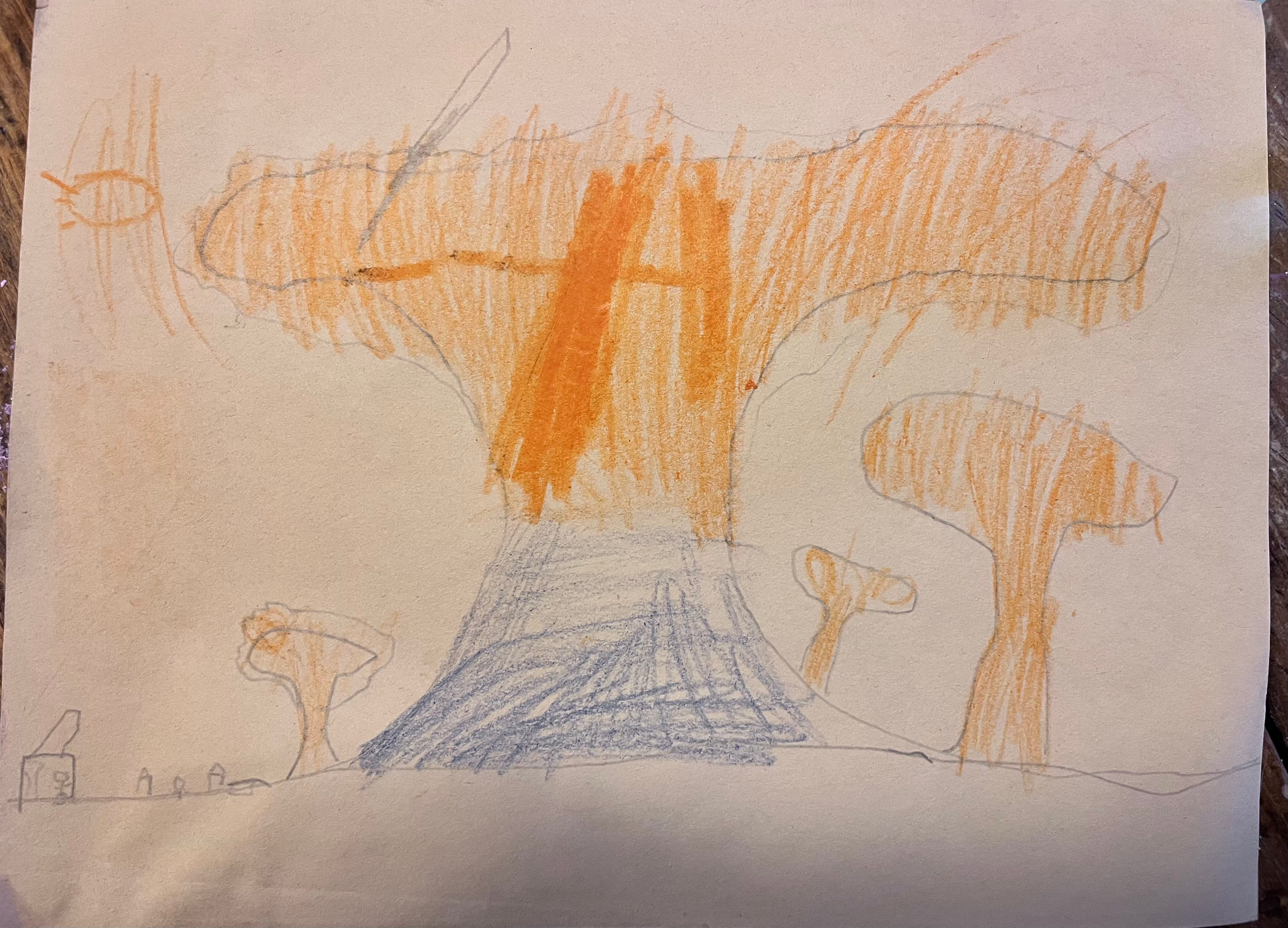
I flinched dramatically when someone moved their hands near my face, a reaction that made me an easy target for teasing. My doctor dismissed it as “good reflexes,” but I now know it was a sign of trauma.
For years, I struggled to understand where this trauma came from. I had no memory of a specific moment that triggered it. But I do have early memories—some going back to when I was just two or three years old.
I was born in 1975. My parents divorced when I was very young because my father was physically, emotionally, and verbally abusive. We moved into my great-uncle’s second-floor apartment when I was around three. I remember my first day there. I remember running outside to touch a speed limit sign and getting in trouble. I remember shag carpeting, watching TV, and glimpses of fights between adults.
For most of my childhood, we lived in West Springfield, Massachusetts. It wasn’t the best neighborhood, but I felt safe there. I had family around, friends in the neighborhood, and school felt manageable. But when we moved to Wilbraham in 1985, everything changed. Overnight, I became an outcast in a wealthier town. My grades slipped. My handwriting deteriorated. I struggled to keep up.
Why did I feel so happy in West Springfield despite our poverty? Because the danger was gone. No more screaming. No more hitting. Safety. And when we moved, that safety was taken away.
The puzzle pieces started coming together when I watched an episode of The Rookie with my 10-year-old daughter. A prisoner in the episode described himself as “a cockroach”—someone who didn’t fight back but learned to survive. I realized that was me.
Why didn’t I fight back like other trauma survivors? Why was I wired for survival, not aggression?
And then it hit me.
The trauma wasn’t just the moments I remembered. It was the environment I grew up in before I could even form complete memories.
My parents’ home in Hampden, Massachusetts, was a war zone. My mother told me that screaming and violence were constant. I likely heard it from morning to night.
We had a German shepherd that my father controlled, but when he was gone, the dog turned on us. My mother said it once cornered us in a closet. She put it down while my father was away, knowing she’d pay the price when he returned. And she did.
Then there was the injury. My father had a pair of massive, mounted swords. One day, they fell and cracked my head open. I still have the scar. My mother rushed to get me medical care, but my father was irritated. He was mowing the lawn and didn’t want to stop. The uneven grass was a bigger concern than my bleeding head.
I don’t remember these incidents firsthand, but my body does. The startle reflex, the flinching, the fear of loud noises—they all make sense now. My home wasn’t safe, and neither of my parents protected me. I was too young to process it, but my brain adapted. It prepared me to survive.
And when we left? That’s when I finally felt safe. That’s why West Springfield feels like a golden memory.
Through my research, I’ve learned that ADHD symptoms can sometimes be a trauma response. That explains why my academic performance collapsed when my sense of safety was taken away.
With my family history of alcoholism, I was always at risk. Drinking became my escape. But one of my strongest instincts has always been to protect my own kids. I never want them to experience what I did. And while I’ve struggled to stand up for myself, I’ve never hesitated to advocate for my family.
Still, I wonder—why didn’t anyone advocate for me? Why didn’t a doctor or therapist recognize the trauma? Why did it take me 49 years to uncover this?
I don’t have those answers. But I do know this: I’ve made a breakthrough. And now, I can finally address the root of my struggles.
I know I’m not alone. Many alcoholics have similar stories. If this resonates with you, I encourage you to share your experience in the comments. We heal together.
You are not alone.